Oil Leaks: Why Alpharetta Drivers Shouldn’t Ignore That Spot Under the Car
Every driver dreads finding an
oily puddle under their car. Lately, our Alpharetta, GA auto shop has seen a
spike in vehicles with oil leaks, and many local drivers are searching for answers on this issue. It might be tempting to shrug off a
few drops of oil
on the driveway, but ignoring an oil leak can lead to serious (and expensive) problems down the road. In this post, we’ll explain
common causes of oil leaks,
how to recognize them, and most importantly,
the risks and consequences of not fixing an oil leak promptly. By the end, you’ll see why fixing that leak now, can save your engine (and your wallet) later.
What Causes Oil Leaks in Alpharetta Vehicles?
Oil leaks can happen to any vehicle, especially as it gets older, and in for us, endures Georgia’s hot summers and heavy traffic. Some of the most common causes of oil leaks we see at America’s Service Station Alpharetta include:
- Worn or Damaged Gaskets and Seals:
Over time, gaskets (like the valve cover or oil pan gasket) and seals (like camshaft or crankshaft seals) can dry out or crack. When they fail, oil seeps through. High mileage and heat can also accelerate this wear.
- Loose Oil Pan Drain Plug or Oil Filter:
If your drain plug wasn’t tightened properly after an oil change, or the oil filter’s seal is bad or installed incorrectly, oil can drip from these points. A simple mistake during an oil change can lead to a persistent leak. Worn plastic drain plugs should be replaced with metal plugs and new gaskets to prevent drain plug leaks.
- Engine Wear (Rear Main Seal or Piston Rings):
In older engines, seals like the rear main seal may start leaking. Worn piston rings won’t exactly leave a puddle, but they cause oil burning (blue smoke) rather than dripping. But it’s important to note that this still indicates an oil loss issue.
- Oil Filler Cap or Other Openings:
Sometimes the leak is as simple as a
loose oil filler cap
or a breather that’s allowing oil to escape. Leaking can also originate from oil lines or the oil pan itself if it’s punctured or dented.
- The
valve cover gasket
is one of the most common sources of oil leaks, especially on higher-mileage vehicles. This gasket seals the top of the engine where the valve cover meets the cylinder head. Over time, heat causes the gasket to harden and shrink, allowing oil to seep out. Valve cover leaks often show up as
oil on the engine, burning oil smells, or smoke
when oil drips onto hot exhaust components.
- The
timing cover
seals the front of the engine and protects the timing chain or belt. Oil leaks here can be harder to spot because the oil may spread and appear to come from other areas of the engine. Timing cover leaks are often caused by
aging gaskets, seal failure, or engine wear
and can worsen over time. Because timing components are critical to engine operation, leaks in this area should be diagnosed and repaired promptly to prevent more serious damage.
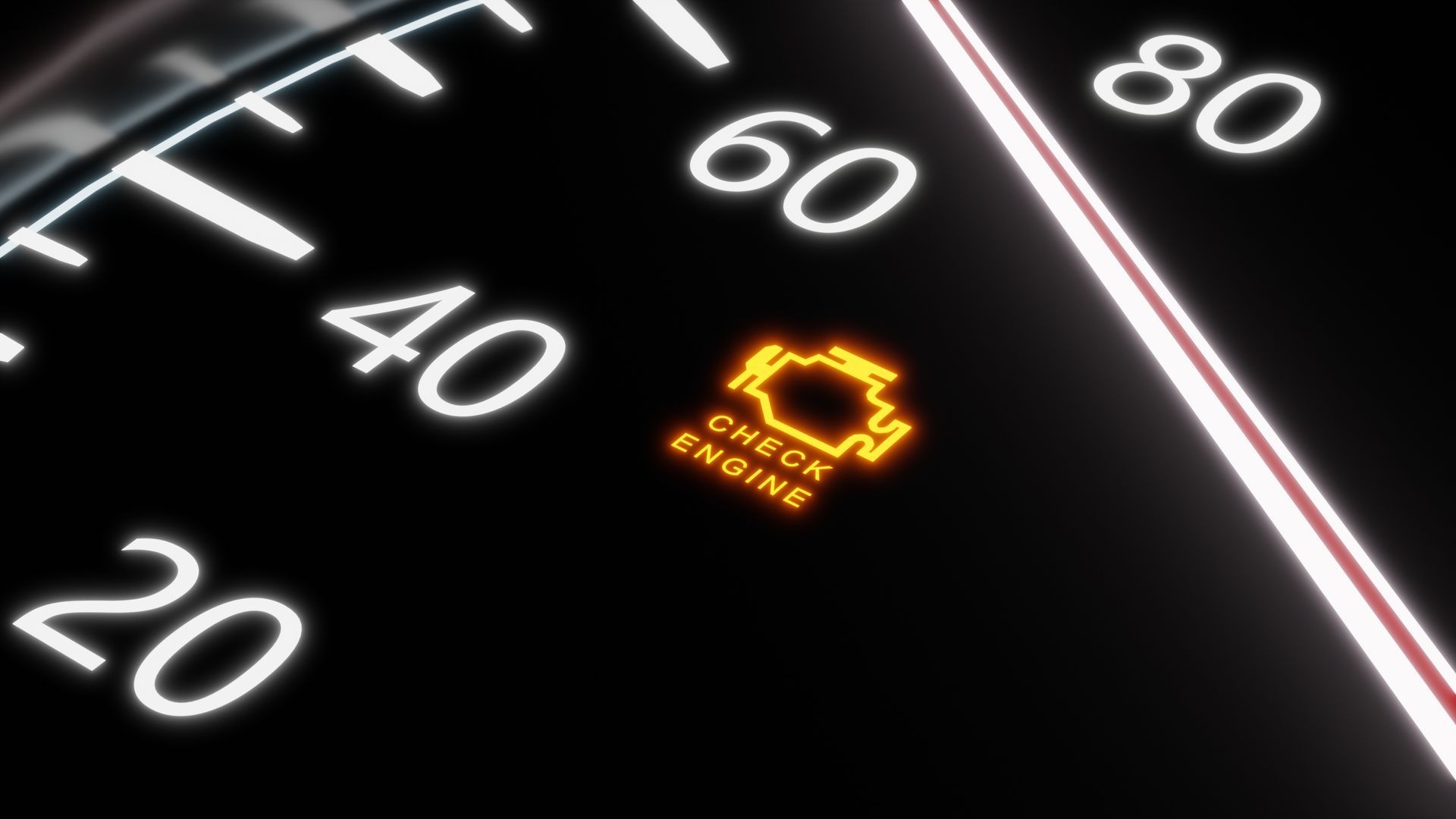
- Many modern engines use Variable Valve Timing (VVT) solenoids to improve performance, fuel economy, and emissions. These solenoids control oil flow to adjust valve timing as the engine runs. Because they rely on clean engine oil and proper oil pressure, VVT solenoids are sensitive to oil quality and maintenance intervals. Over time, dirty or sludged oil can cause a VVT solenoid to stick or fail. When this happens, the engine may experience rough running, poor acceleration, reduced fuel economy, or a check engine light. In some cases, oil leaks can also develop around the solenoid due to worn seals.
Tip:
After parking, look at the ground under the front-middle of your engine.
Engine oil leaks
typically show up as
brown or black slick spots
on the pavement (fresh oil is light brown, used oil is dark). If you notice such spots regularly, you likely have an oil leak that needs attention.
How Can I Tell If My Car Is Leaking Oil?
Aside from visible puddles, there are other warning signs of an oil leak that Alpharetta drivers should watch for:
- Burning Oil Smell: If oil drips onto hot engine parts like the exhaust manifold, it will burn off and produce a sharp, burning oil odor (and sometimes white or blue smoke from under the hood or tailpipe). It’s important to know that some oil leaks only occur while driving or accelerating, when engine pressure increases. These leaks may not show up while the car is idling. As the vehicle moves, leaking oil can splash backward onto the suspension, exhaust, or underside of the vehicle, making the source harder to spot but still producing a strong burning smell.
- Blue Smoke from Exhaust: Oil burning in the engine (due to leaks in internal seals) can cause blue-gray smoke out of the tailpipe. This is a red flag that oil is leaking into places it shouldn’t be.
- Oil Dashboard Light or Low Oil Level: Modern cars have an oil pressure or oil level warning light. If this light flickers or comes on, or if you check your dipstick and repeatedly find low oil levels, it’s likely a leak is the culprit.
- Engine Overheating: Oil helps with engine cooling. If you’re low on oil, you might notice the engine running hotter or even overheating more easily (IMPORTANT! Read more about this below).
If you notice any of these signs, don’t wait to investigate.
Even a minor oil leak, if left alone, can turn into a major engine problem. In fact, the sooner you act, the better—both for your vehicle’s health and your own safety.
Why You Shouldn’t Ignore an Oil Leak
Ignoring an oil leak might not cause immediate disaster, but continuing to drive with a leak is a ticking time bomb. There are the major risks and consequences of putting off oil leak repairs (including but not limited to):
- Engine Damage and Costly Repairs:
Your engine relies on oil to stay lubricated and cool. Even a small leak will cause the oil level to drop over time. If the oil level gets too low, engine parts will
grind against each other due to lack of lubrication, creating intense heat and friction. Critical components like bearings can wear out or seize up. In a worst-case scenario, the engine can completely seize (lock up), which often means you could be looking at a
full engine replacement. What might have been a relatively small repair (e.g. maybe a few hundred dollars to replace a gasket) can snowball into a repair bill of
$1,500 or more
for an engine rebuild or absolute worst-case, a complete replacement, if neglected. In short,
fixing the leak now is far cheaper than replacing an engine later.
- Overheating and Related Damage:
Engine oil doesn’t just lubricate—it also helps with keeping your engine cool. Low oil levels or oil circulation problems mean your engine runs hotter. Pair a low oil level with
Alpharetta’s summer heat and everyday traffic on GA-400, and you have a one-way ticket to overheating. An overheated engine can lead to
blown head gaskets, warping of engine heads, or other heat-related failures. These are major repairs that can leave you stranded on the side of the road.
- Fire Hazard:
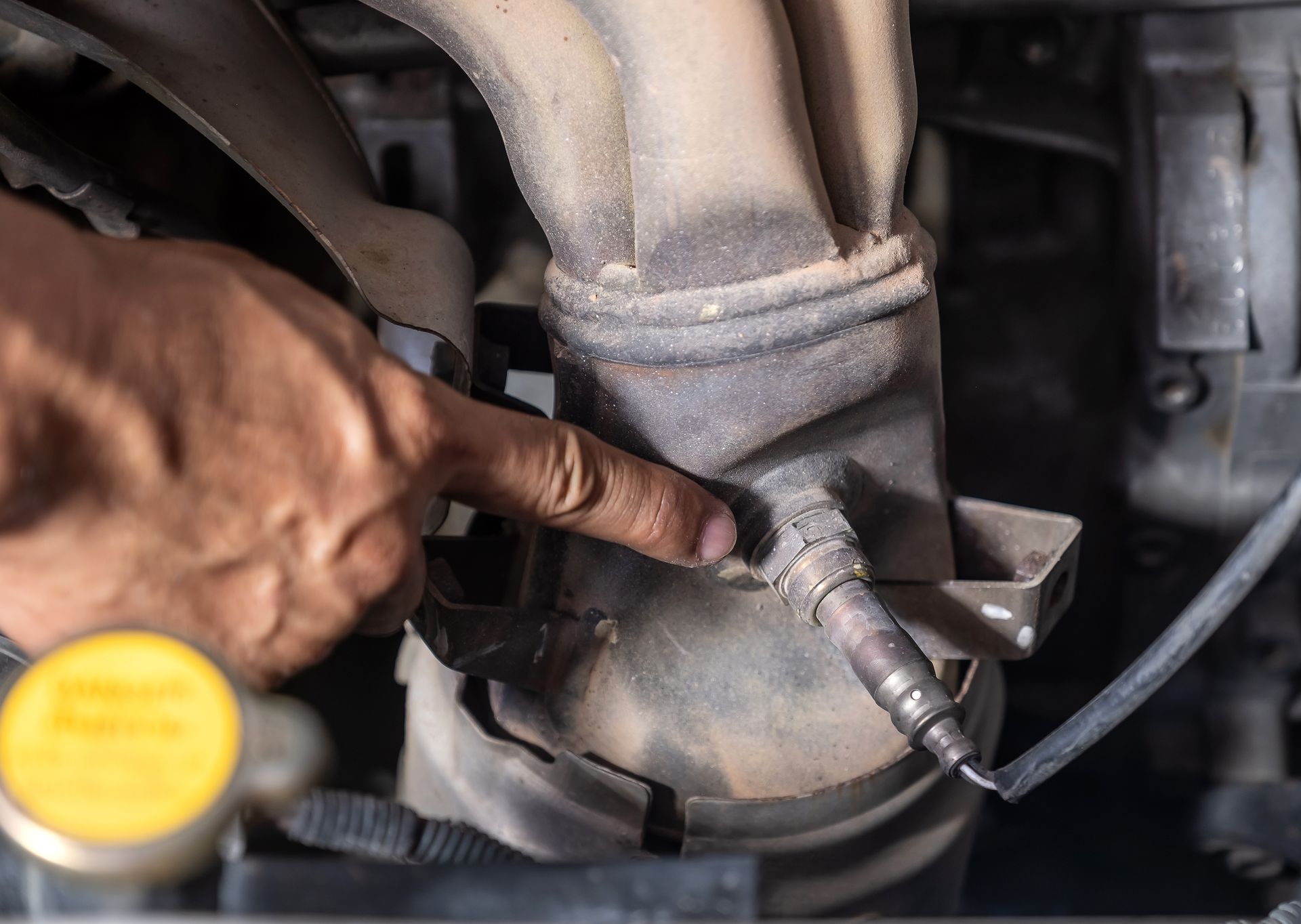
This is one consequence that really emphasizes the urgency of fixing oil leaks. If oil is dripping onto hot surfaces – such as the exhaust manifold or catalytic converter – it can start to
smoke, and in severe cases it
can ignite. Oil is flammable, and the underside of your hood can reach extreme temperatures. Many
Alpharetta
drivers spend a lot of time in stop-and-go traffic (which keeps engines hot), so a leak that might only smolder on a short drive could ignite during a long commute. An
engine bay fire
puts you and your passengers in immediate danger and can total your car. It’s simply
not worth the risk
of driving around with a known oil leak.
- Damage to Other Components:
Oil is slick and can travel far in your engine bay. We’ve seen leaks that started at a valve cover gasket but ended up
soaking other parts. For example, oil can get onto
rubber hoses and belts, causing them to swell, soften, or crack prematurely. A timing belt or serpentine belt covered in oil might slip or break, leading to even more repairs. Oil can collect on bushings or suspension components, attracting dirt and grime that wear those parts out faster. In short, one leak can create a ripple effect of component failures if not addressed as soon as possible.
- Failed Emissions or Inspections:
Many drivers are unaware that an oil leak can impact emissions. Burning oil in the engine (even slowly) can increase your vehicle’s exhaust emissions and cause your car to
fail Georgia’s emissions test. In some states or counties, a significant external leak might be flagged during a safety inspection. At the very least, a mechanic conducting any inspection will note active leaks as issues. It’s better to fix the leak than risk
failing an inspection or being stuck unable to renew your tags
because of an emissions failure.
- Environmental Hazards: Oil leaks aren’t just bad for your car – they’re bad for the environment. Dripping oil gets washed off driveways and roads by rain, flowing into storm drains and local waterways. Just a quart of motor oil can contaminate thousands of gallons of water. Did you know that it’s actually illegal in many areas to allow fluids to leak from your vehicle because of this environmental risk? Cleaning up oil spills is costly, and you certainly don’t want to leave an ugly stain on your driveway, garage floor or in your neighborhood. Fixing leaks promptly is part of being a responsible vehicle owner in our community.
Bottom line:
Ignoring an oil leak is gambling with your car and safety.
The
longer you wait, the more damage can occur as oil loss accelerates. A
tiny drip today can become a major gush next month
as the leak gets worse.
What To Do If You Suspect an Oil Leak
If you think your car is leaking oil, here are the steps you should take:
- Check Your Oil Level:
Make it a habit to check your oil dipstick regularly (when the engine is cold, on level ground). If you’re consistently low on oil or have to top-off oil between oil changes, that’s a red flag.
- Look for the Leak Source:
After parking overnight, slide a piece of cardboard under your engine area to see where the drip is. If it’s brown/black, call us to investigate.
- Watch for Symptoms While Driving:
Pay attention to any burning smells, smoke (e.g. coming out of your exhaust or under the hood), or warning lights while driving. If you smell burning oil or see smoke,
pull over safely
and check under the hood once the engine has cooled a bit.
- Minimize Driving (Especially Long Trips):
If the leak is minor, you might be able to drive short distances (for example, to our shop)
but keep a close eye on oil pressure and temperature. If you suspect a major leak,
do not risk driving at all. It’s safer to
have the vehicle towed to our shop.
- Schedule an Oil Leak Inspection Promptly: Don’t procrastinate. Contact a professional mechanic to pinpoint the leak and fix it. Most oil leaks involve replacing a gasket, seal, or faulty part – a job that can usually be handled quickly and affordably.
Protect Your Engine – Fix Oil Leaks Early (And How We Can Help)
At America’s Service Station – Alpharetta, GA, we specialize in finding and fixing oil leaks quickly so you can drive with peace of mind. Our technicians will identify the exact source of the leak, explain what it means, and recommend the right fix before it becomes a major issue.
We’re located on Old Milton Parkway near GA-400 and proudly serve drivers in Alpharetta, Johns Creek, Milton, and the North Fulton area. Whether you need a new gasket, an oil change, or just an expert diagnosis, we’ve got you covered.
Schedule your oil leak inspection or repair with us today and let us help protect your engine for the long haul. You can contact us or schedule an appointment at our convenient Alpharetta location.