That squeal right at startup has a way of making you brace for bad news. It might only last a second or two, or it might hang around long enough to make you wonder if something is about to snap.
Startup squeal usually comes down to one thing: the belt is slipping against a pulley for a moment. The real question is why it is slipping. Sometimes it is a minor belt issue. Other times, it is telling you that a tensioner, pulley bearing, or accessory is starting to fail. If you can pay attention to a few details, you can narrow it down fast and avoid a roadside problem later.
Why Belts Squeal Most At Startup
At startup, the belt has to do a lot all at once. The alternator loads up to replace the energy used for cranking. The engine may be cold, which changes the rubber grip. Moisture in the air can also reduce friction on the belt surface.
If the belt is worn or tension is marginal, that first moment of high load is when it slips and squeals. Once the belt warms slightly and the load stabilizes, the noise often fades. That pattern can make drivers think it is harmless. It can be harmless in some cases, but it is also a common early warning.
Common Causes Of Startup Belt Squeal
Startup squeal is usually one of a few repeat issues. Some are simple maintenance items. Some point to a component that is wearing out.
- A worn belt that is glazed, cracked, or stretched
- A weak belt tensioner that is not holding proper tension
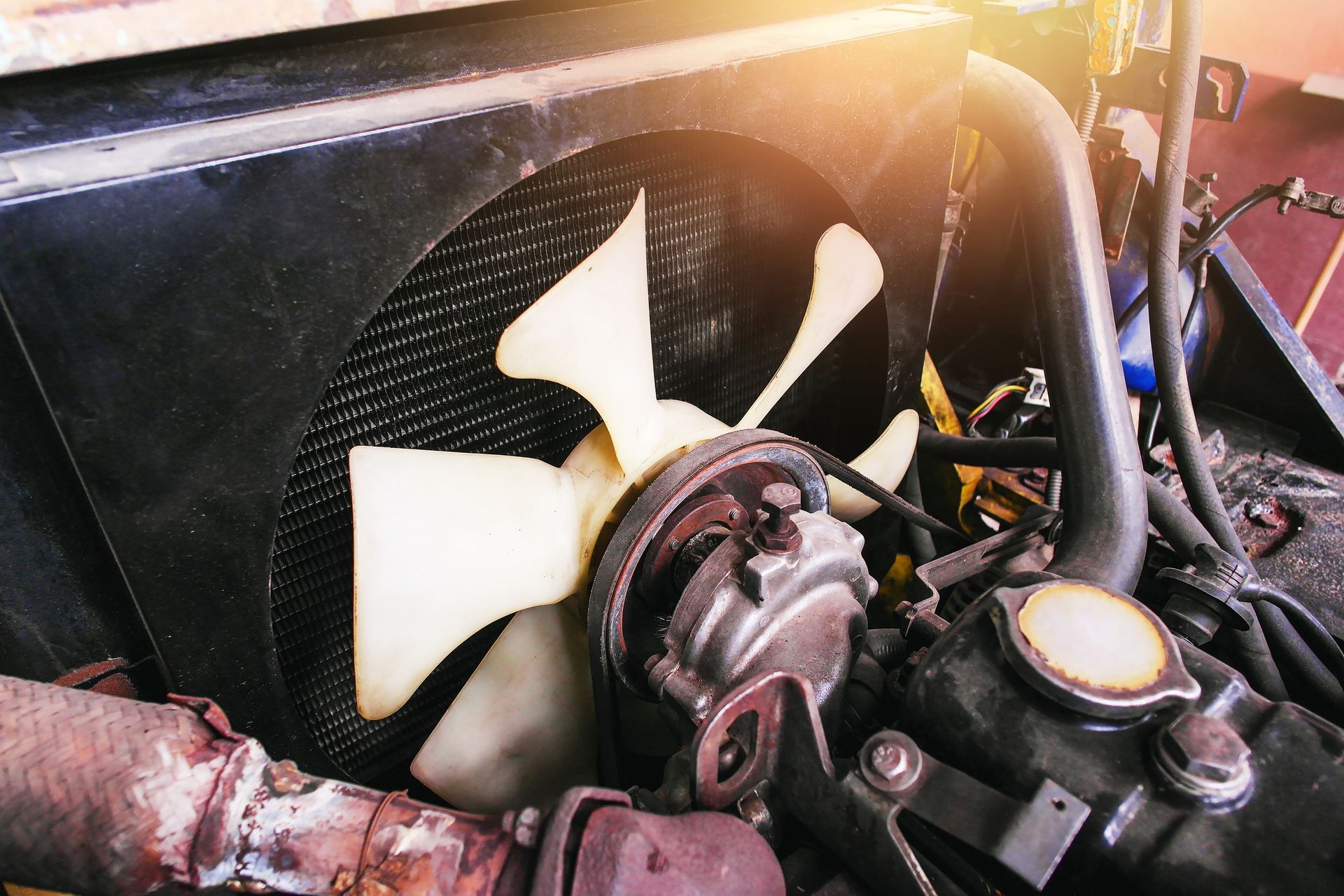
- A pulley or idler bearing that is rough and creates drag
- A belt that is contaminated with oil or coolant and is losing grip
- Misalignment from a failing pulley, bracket, or worn mount
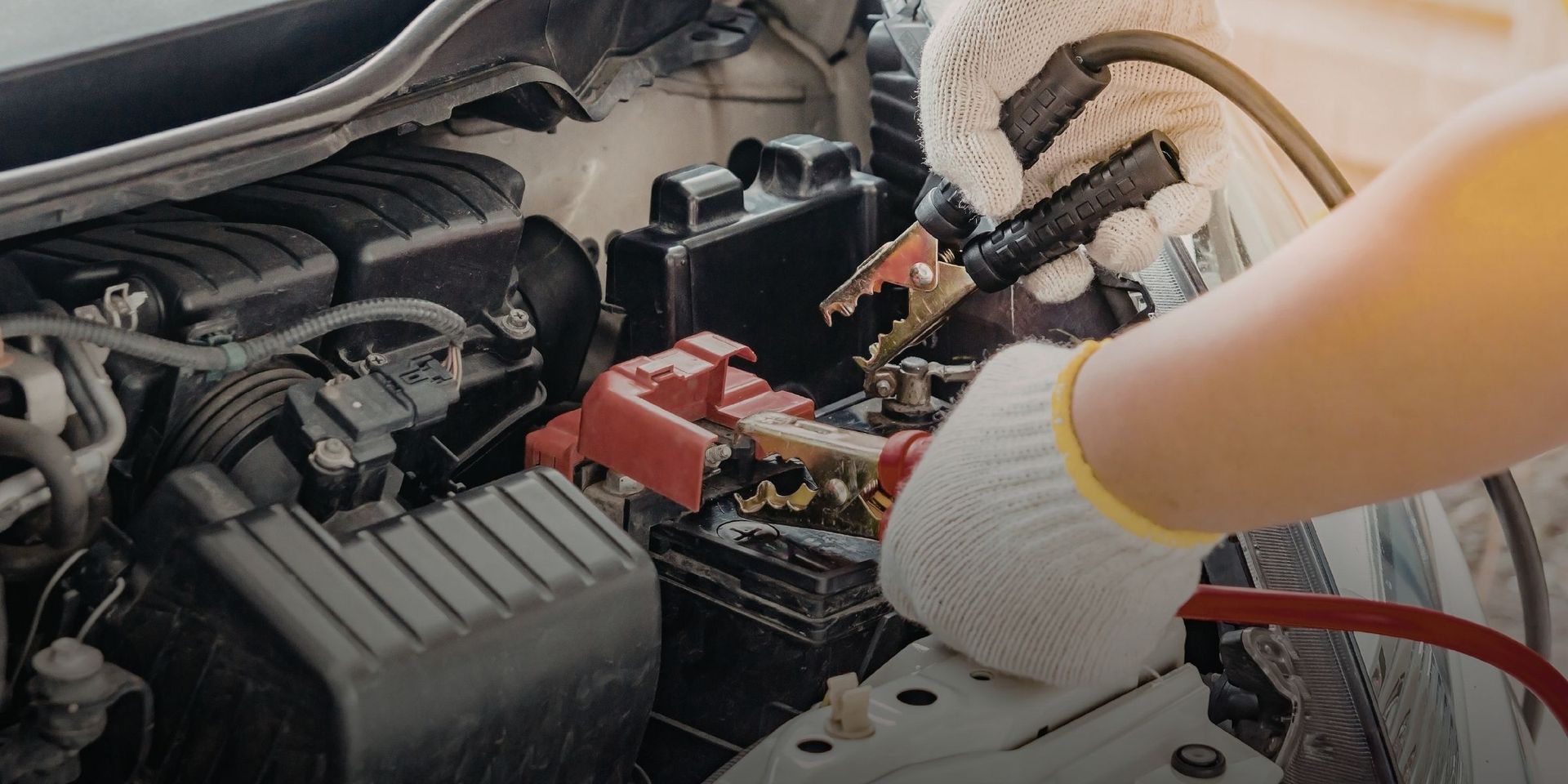
- Heavy alternator load from a weak battery, especially after short-trip driving
We’ve seen cases where a belt was replaced, but the noise returned within days. In those situations, the real issue was the tensioner or an idler pulley bearing. Replacing the belt alone did not address the cause of slipping.
Clues Based On How Long The Squeal Lasts
Duration matters. A quick chirp that happens only on damp mornings can be a normal belt slip, especially if the belt is older but not severely worn. A squeal that lasts several seconds or occurs on every start usually means the belt system is struggling to maintain grip.
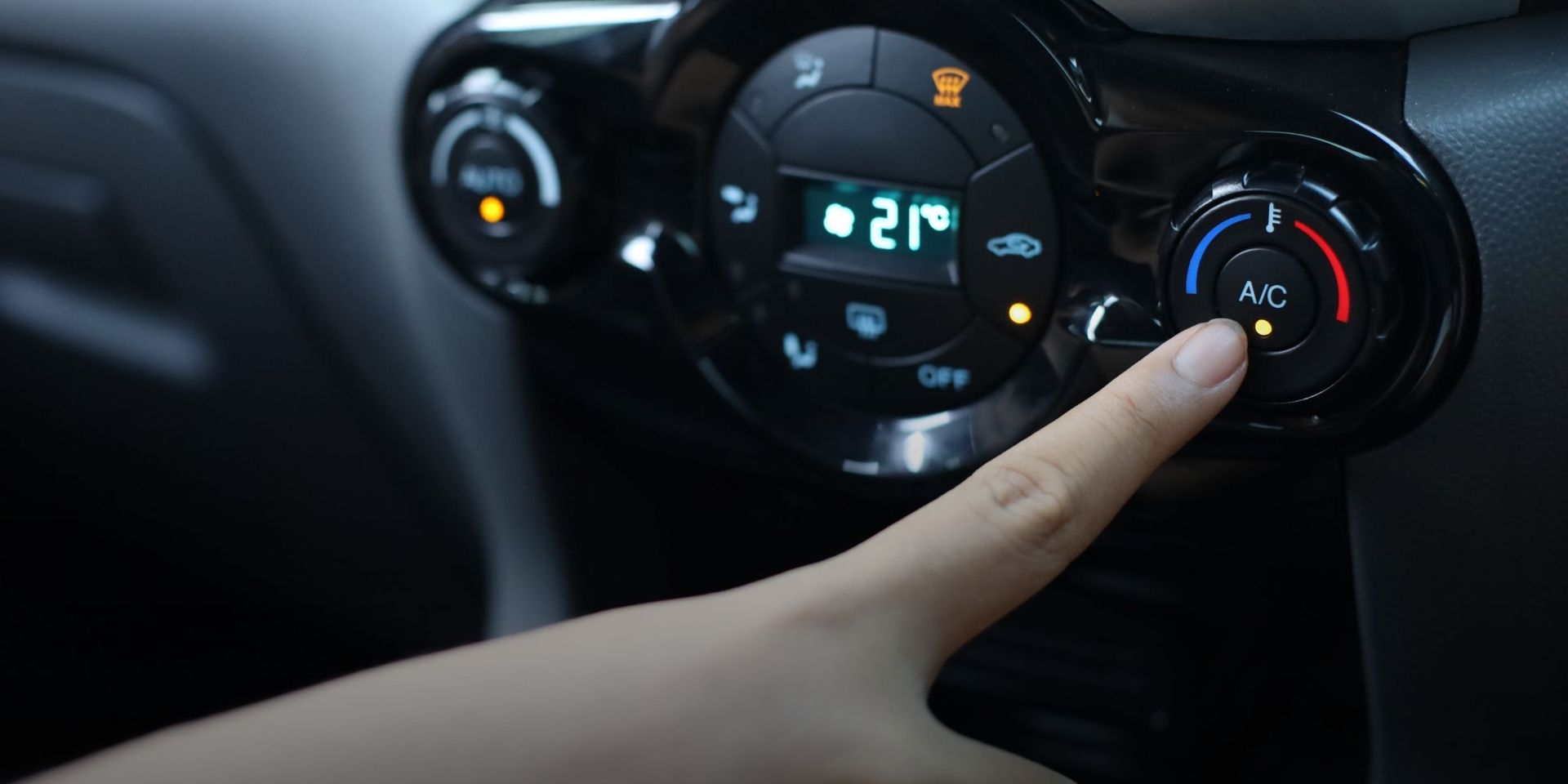
If the squeal comes back when you turn the A/C on, or when you turn the steering wheel, that points toward the belt load. It suggests the belt is close to its limit, or the tensioner is not responding properly to changing load.
What To Look For Under The Hood
You can spot some clues visually without touching anything. Look for cracking, fraying edges, missing ribs, or a shiny glazed surface. Also, look for belt dust around pulleys, which can show the belt has been slipping.
Another important clue is fluid contamination. If there is oil or coolant near the belt path, the belt can slip even if it still looks decent. That usually means there is a leak that needs attention. A new belt will not stay quiet for long if the leak continues.
Mistakes That Make The Problem Worse
One common mistake is using belt dressing sprays. They can quiet the noise temporarily, but they do not fix the cause. They can also attract dirt and make the belt wear faster. Another mistake is waiting until the squeal turns into a constant noise. By then, the belt or the component causing drag may be close to failure.
It is also easy to overlook the battery. A weak battery can increase the alternator load at startup, thereby increasing belt load. That can be enough to make a marginal belt system squeal more often.
Get Serpentine Belt Service in Alpharetta, GA, with America's Service Station
We can inspect your serpentine belt, tensioner, and pulleys, then pinpoint what is causing that startup squeal. We’ll also check for leaks or charging issues that can overload the belt and make the noise return.
Call
America's Service Station in Alpharetta, GA, to schedule a belt inspection and keep a small squeal from turning into a bigger breakdown.