Wheel bearings carry the vehicle’s weight while letting each wheel spin with minimal friction. When a bearing starts to wear, you usually hear it before you feel it, and the sound tends to build gradually. The problem is that other issues, like tire noise, can mimic it, so the pattern matters more than the volume.
Here are the clues that separate a bearing problem from the usual road noise.
Humming Or Growling That Rises With Speed
A worn wheel bearing often creates a hum or growl that gets louder as speed increases. It may be quiet around town, then become obvious at 40 mph and up, especially on smooth pavement where you can hear the car clearly. Unlike an exhaust noise, it tends to sound like it’s coming from one corner of the vehicle rather than the whole cabin.
What makes this clue useful is consistency. If the sound climbs in pitch and volume in step with vehicle speed, the bearing becomes a top suspect, even if the engine RPM stays steady. Tire noise can also rise with speed, so the next clue helps confirm whether it’s truly coming from the wheel assembly.
Noise Changes When You Turn Left Or Right
A classic bearing clue is a noise that changes when you gently steer left or right at cruising speed. When you shift weight to one side, the load on the opposite bearing changes, and the sound often changes accordingly. This is easiest to notice on a long, safe curve or a gentle lane change on a clear road.
If the sound gets louder when you turn left, the right-side bearing is often the one carrying more load, and vice versa. It is not a perfect rule, but it’s a strong directional hint. Our technicians use this pattern alongside lift checks and road testing because it points to a specific corner instead of guessing.
Steering Feels Loose Or You Notice A Vibration
Some bearings wear in a way that produces a vibration more than a roar. You might feel a faint buzz in the steering wheel or floor, especially at a certain speed range, and it can come and go depending on the road surface. It’s also common for the car to feel slightly less planted, like it needs small corrections more often than it used to.
This is where people get led down the wrong path, because balance and alignment can also create vibration. The difference is that a bearing-related vibration may change during turns or during on-and-off throttle, while a tire balance issue tends to feel more steady. When we check this, we’re looking for play at the wheel and any roughness while the wheel is rotated.
Uneven Tire Wear Or ABS Light Appears
Wheel bearings can contribute to uneven tire wear if the wheel has enough play to change how the tire meets the road. You might see a strange wear pattern that doesn’t match a simple alignment issue, or you may notice a tire getting noisy sooner than expected. This is one reason regular maintenance inspections catch problems earlier, because you can spot looseness before it ruins a tire.
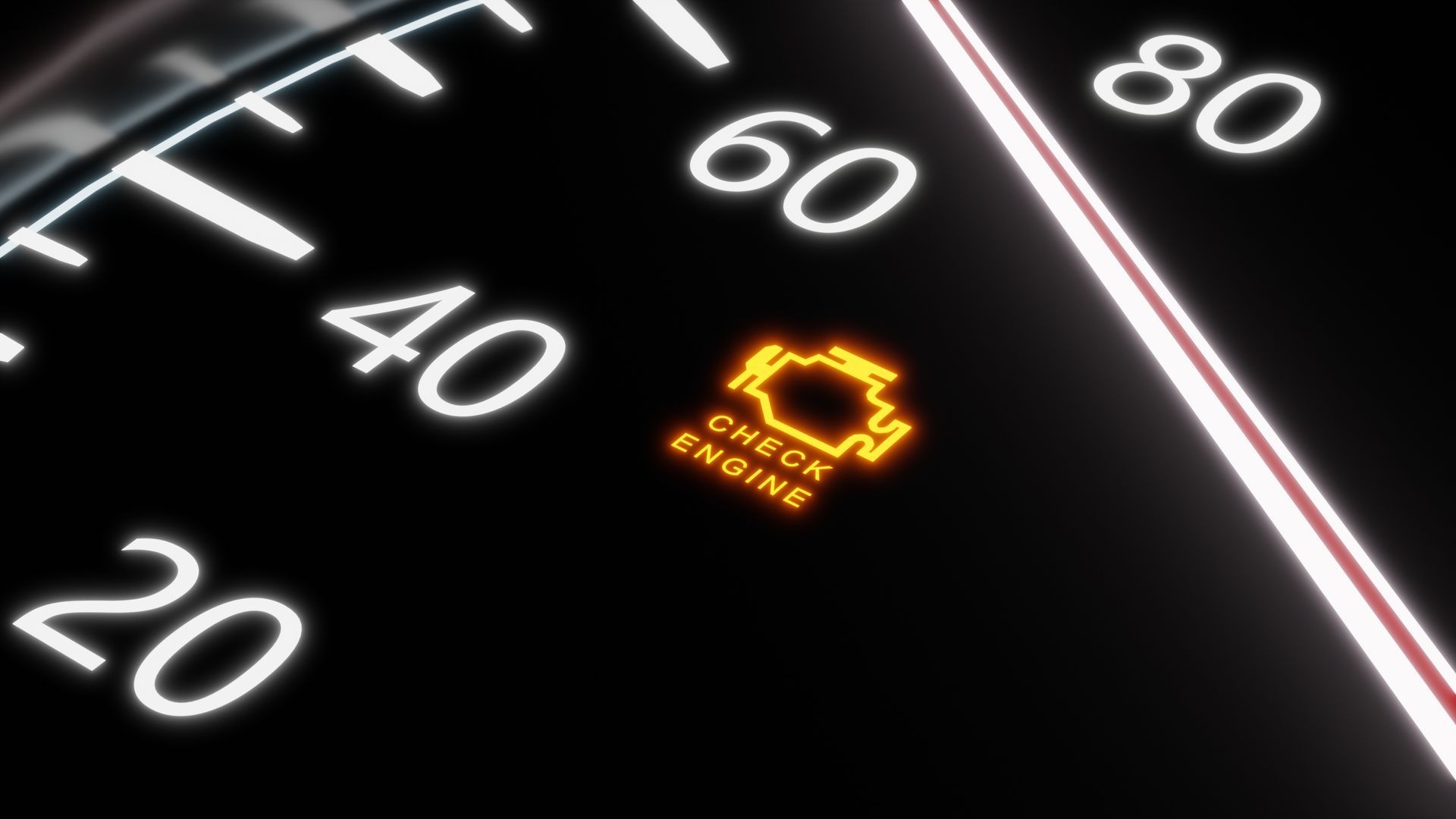
On many vehicles, the wheel speed sensor is positioned close to the bearing and hub. If the bearing develops play or the tone ring signal gets messy, you can see ABS or traction control warnings. The car may still drive fine, but the light is telling you the system is no longer getting a clean signal from that wheel.
Heat Or Play At One Wheel After Driving
A failing bearing can generate heat, especially after highway driving. Sometimes one wheel area feels noticeably warmer than the others, even though the brakes weren’t used heavily. That extra heat is friction, and friction is not what you want inside a bearing.
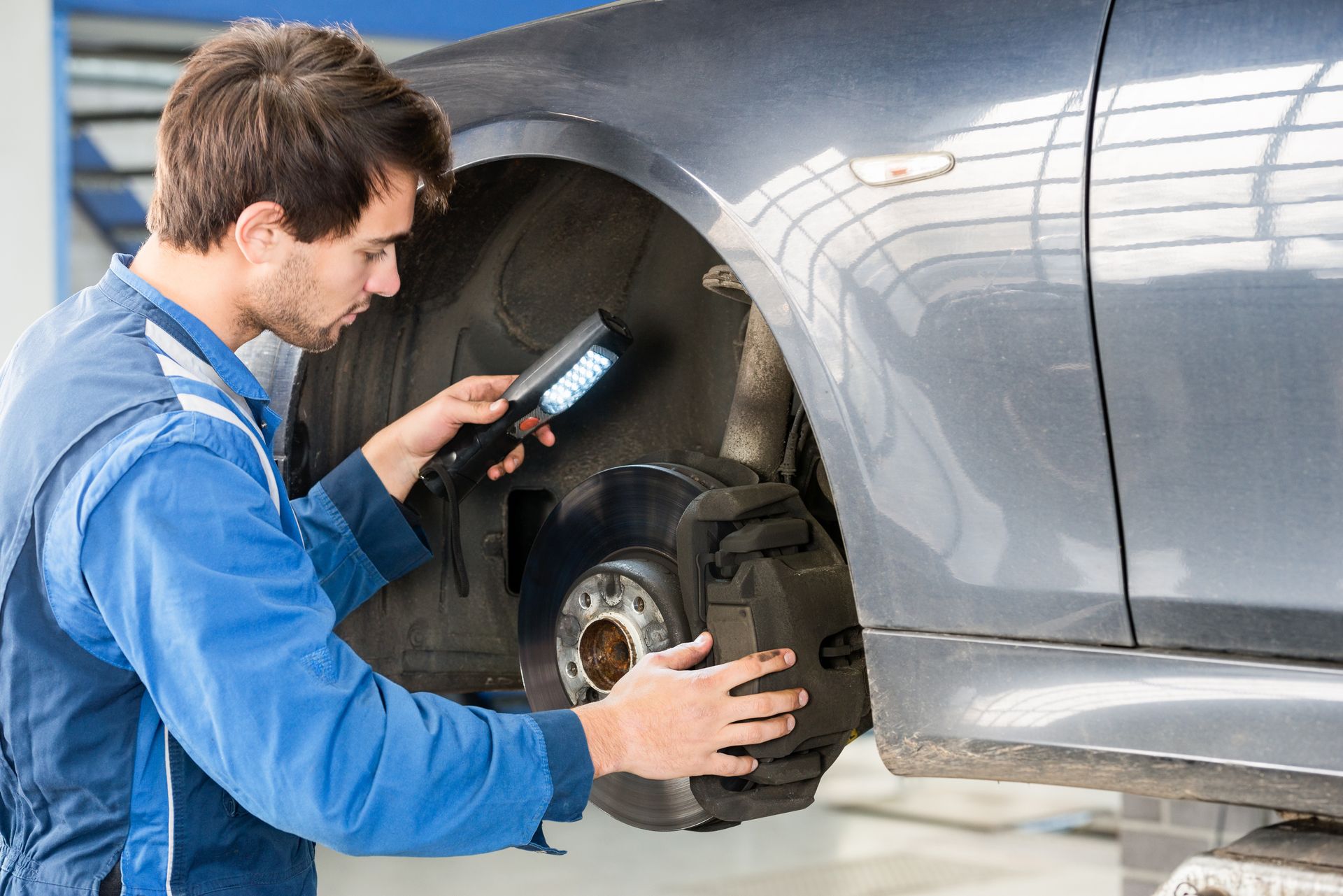
Play is the other giveaway. With the vehicle safely lifted, a worn bearing may allow movement when the wheel is rocked by hand, and it may feel gritty or rough when spun. If you’re checking at home, don’t confuse normal brake pad drag for bearing roughness, since pads can lightly rub. A proper inspection isolates the wheel and confirms whether the movement is bearing-related or coming from suspension joints.
Get Wheel Bearing Service In Alpharetta, GA With America's Service Station
If you’re hearing a growl, noticing vibration, or seeing warning lights that point to a wheel-speed issue, the next step is confirming the source before it turns into hub damage or uneven tire wear. Schedule service or book an inspection with America's Service Station in Alpharetta, GA, and our technicians will pinpoint the cause and recommend the most direct fix.
You’ll know what’s happening at that wheel and what it takes to make it quiet again.