It’s unsettling to shut the car off, step out, and still hear the radiator fan running, as if it’s finishing a job. Sometimes it runs for 20 - 30 seconds. Other times, it feels like a full minute or two, and you start wondering if something is stuck on or if the engine is overheating quietly.
The timing and the pattern are what usually separate normal behavior from a problem.
What It Means When The Fan Keeps Running
Most modern cars are designed to manage heat even after you turn the key off. When the engine stops, heat can rise and pool under the hood, which is called heat soak. The fan may run to move that heat away from sensitive parts and keep temperatures in a safer range.
If the fan shuts off on its own and the car is not showing temperature warnings, it’s often the system doing what it was programmed to do. The question is whether it’s running for a normal cooldown cycle or staying on because something is misreading conditions.
Heat Soak After Shutdown And Normal Afterrun
Heat soak is most noticeable after a longer drive, a highway run, or a stop-and-go commute. When you shut the engine off, coolant is no longer circulating the same way, so the heat that was contained can creep into the radiator area and trigger the fan. You may notice the fan runs longer on hot days or after you use the A/C.
On some vehicles, this can be completely normal, especially if the car is trying to protect underhood wiring, plastic components, and sensors from excess heat. If you notice the fan runs briefly and then stops consistently, that usually points toward normal operation rather than a failure.
A/C Pressure, Turbo Heat, And Cooling Strategy
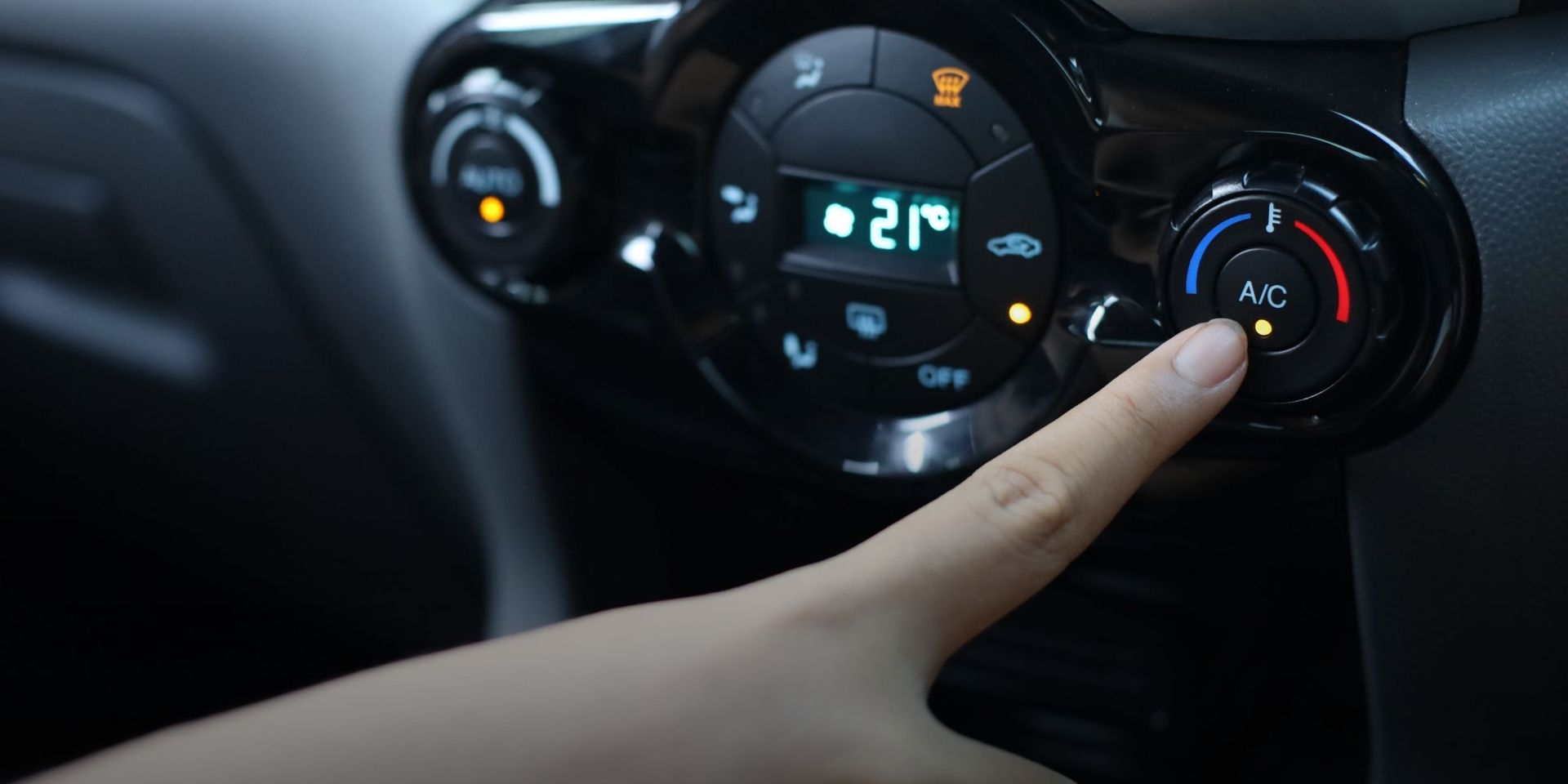
The radiator fan does more than cool the radiator. It also helps cool the A/C condenser, and on some setups, the fan may run after shutdown if system pressure was high. That is why you might hear it more often after using the A/C on a warm day, even if the engine temperature seems fine.
Turbocharged engines can add another layer because they create more heat in a smaller space, and some vehicles are designed to pull heat away after shutdown. You might see the fan run more often if you drove hard, climbed hills, or parked right after a long stretch of highway, since the cooling strategy reacts to stored heat.
Sensors And Controls That Can Keep It On Too Long
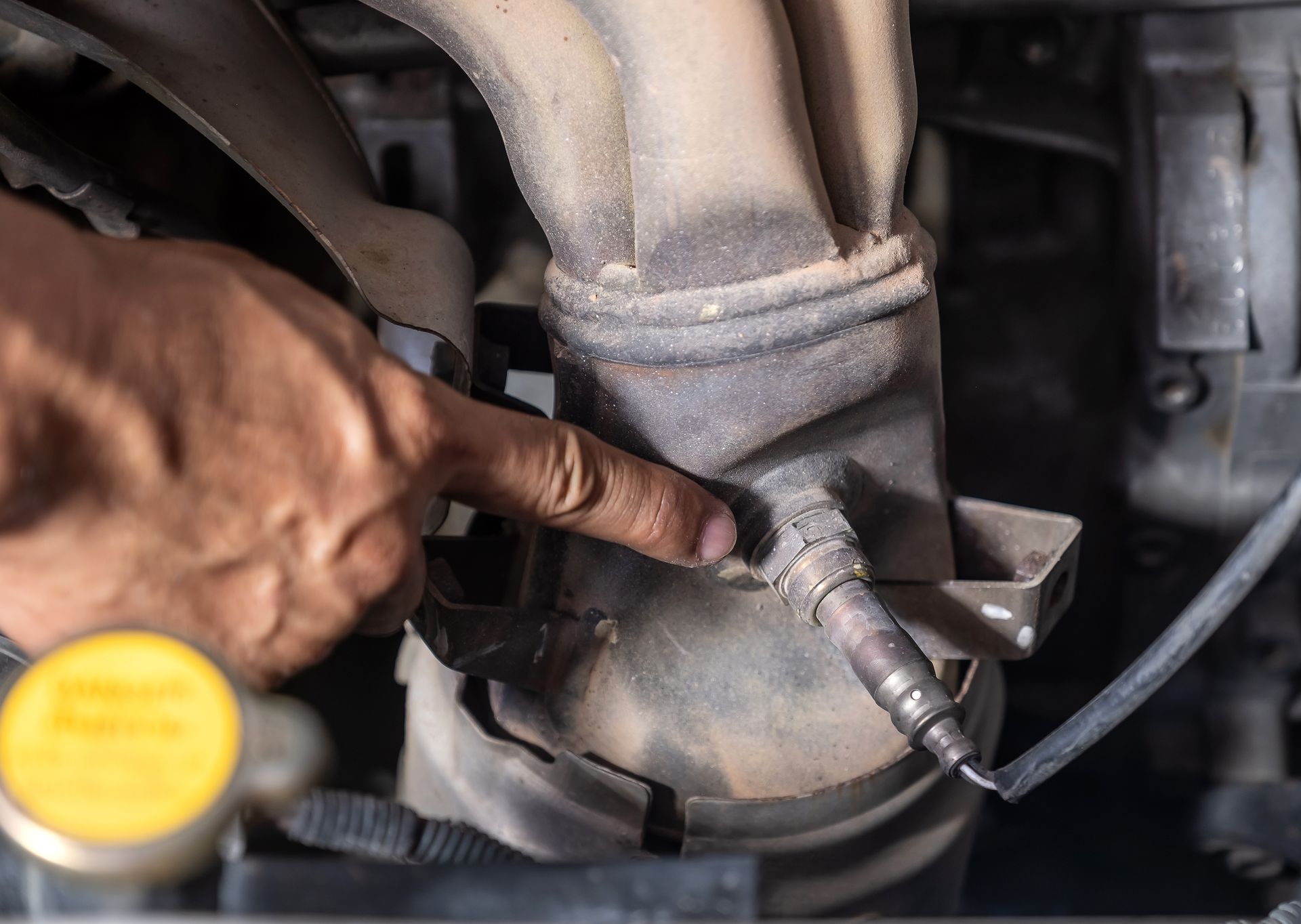
If the fan runs much longer than it used to, or runs almost every time you park, it can be reacting to sensor information that isn’t quite right. A coolant temperature sensor that reads higher than it actually is can keep the fan running. A fan control module or relay can also stick and extend the run time.
Low coolant is another common trigger. When coolant is low, heat control becomes less stable, so the fan may be asked to work harder to compensate. This is one reason it’s smart to check the coolant level occasionally, because a small leak can turn into a pattern of longer fan run times before you ever see a puddle.
Battery Drain Concerns And When To Worry
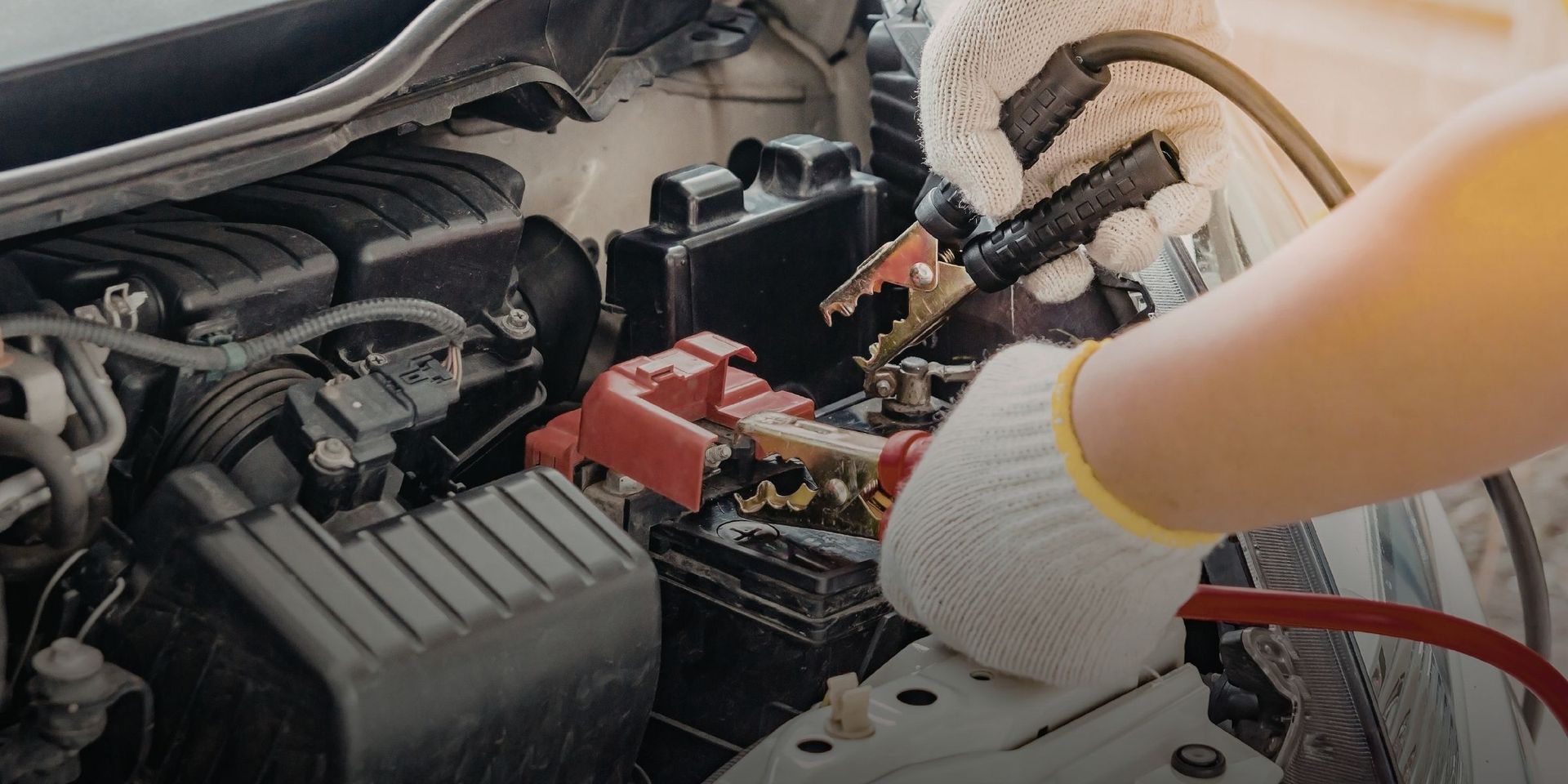
A normal cycle will not drain your battery. The fan is meant to run briefly, then shut off once temperatures drop. If the fan runs for several minutes, repeats frequently, or seems to come back on long after the car is parked, then battery drain becomes a realistic concern.
This is where regular maintenance pays off quietly. If the battery is already weak, repeated fan run time can push it closer to a no-start morning, and you may start seeing other odd electrical behavior. If you notice the fan running unusually long and you also have slow cranking or dimming lights, it’s worth checking sooner.
Simple Checks You Can Do Without Tools
Start with patterns. Note whether the fan runs only after long drives or also after short errands, and whether it changes based on A/C use. Pay attention to the temperature gauge while driving, since any upward creep makes the fan behavior more meaningful.
A few quick checks that help narrow it down:
- Check the coolant level only when the engine is fully cool
- Notice whether the fan shuts off within a couple of minutes or keeps going
- Pay attention to any sweet smell after parking that could hint at coolant loss
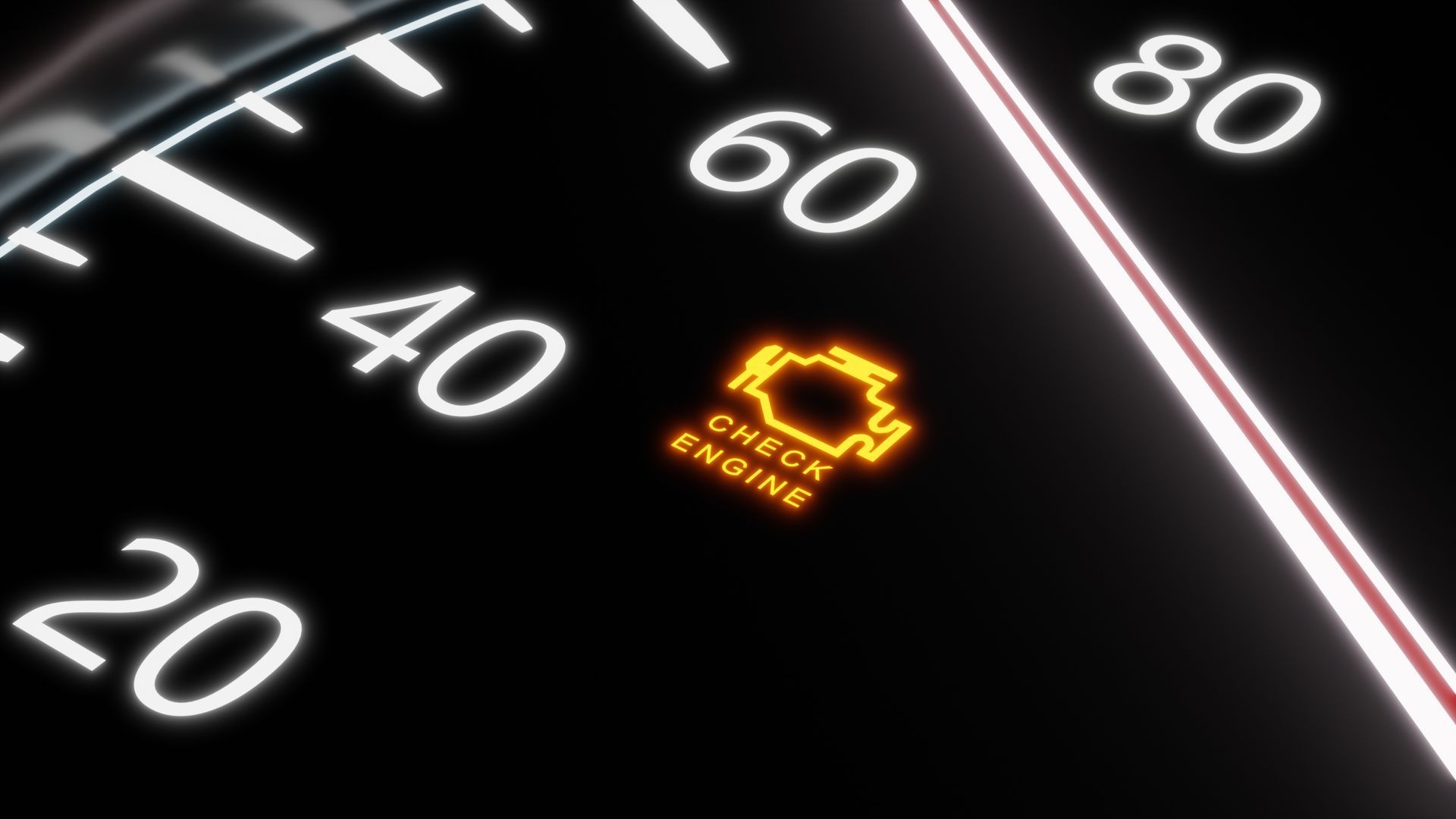
- Watch for warning lights, especially temperature or battery-related ones
If the fan is running long enough that you keep hearing it inside the house, it is a good time to schedule an inspection and get a clear answer, rather than waiting for a dead battery or an overheating surprise.
Get Cooling Fan Service In Alpharetta, GA, With America's Service Station
If your radiator fan seems to stay on longer than it should, America's Service Station in Alpharetta, GA, can check coolant level, sensor inputs, and the fan control side to pinpoint what is keeping it running.
Book a visit and get back to parking your car without the extra worry.