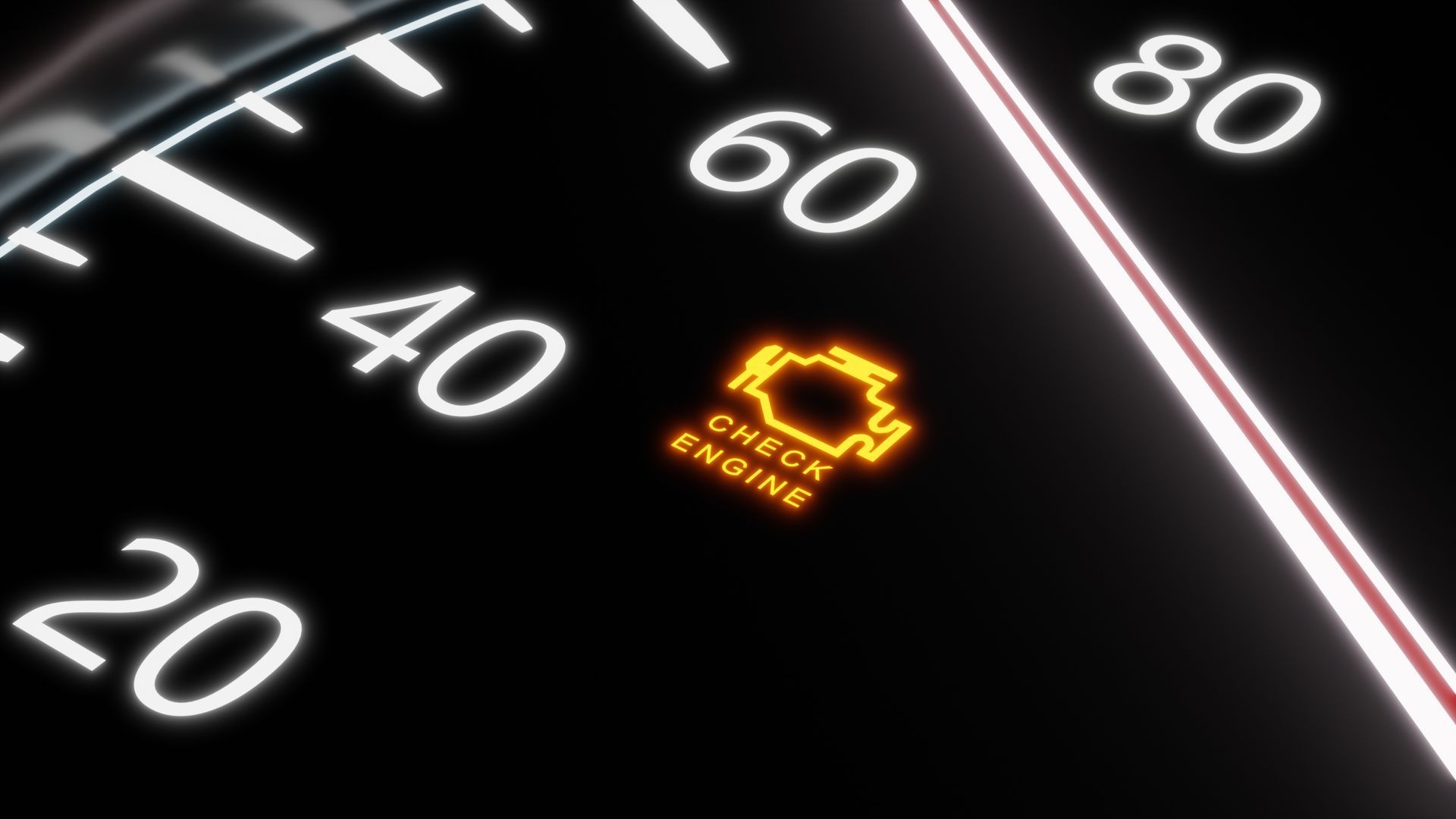
An oxygen sensor plays an important role in how the engine computer manages fuel delivery and monitors emissions. It measures the amount of oxygen in the exhaust stream and sends that information back to the computer, which uses the signal to adjust the air-fuel mixture.
When an oxygen sensor begins to fail, the symptoms can overlap with fuel, ignition, exhaust, and engine problems. That is why simply seeing an oxygen-sensor-related trouble code is not enough to prove the sensor itself is bad. Proper testing looks at how the sensor responds while the engine is operating and whether anything else could be affecting its readings.
Start by Checking for Trouble Codes and Live Data
A scan tool is usually the first step. Technicians check stored trouble codes and then look at live data from the oxygen sensors while the engine is running. Depending on the vehicle, there may be sensors before and after each catalytic converter.
The upstream sensors are primarily used to help control fuel mixture, while downstream sensors are commonly used to monitor catalytic converter performance. Their signals should not necessarily look the same, so knowing which sensor is being tested is important before interpreting the data.
Watch How the Sensor Responds
Traditional narrowband oxygen sensors normally switch between lower and higher voltage as the engine computer adjusts the fuel mixture. Once the engine and sensor are warm, the signal should respond as conditions move between leaner and richer operation.
A sensor that stays fixed at one value, responds very slowly, or changes in an unusual pattern may have a problem. However, the same behavior can occur if the engine actually has a lean or rich condition. The technician has to determine whether the sensor is reporting the condition accurately or producing an incorrect signal.
Wideband Sensors Require a Different Approach
Many newer vehicles use wideband air-fuel ratio sensors instead of traditional narrowband oxygen sensors. These sensors can measure mixture changes over a wider range and are tested differently.
Their scan-tool data may be shown as current, lambda, equivalence ratio, or another calculated value rather than the familiar rapidly changing voltage associated with older oxygen sensors. Using narrowband testing rules on a wideband sensor can lead to an incorrect conclusion, so the vehicle's service information and expected data values need to be considered.
A Rich and Lean Response Test Can Be Useful
One way to evaluate a sensor is to deliberately create a controlled change in the air-fuel mixture and watch how quickly the sensor responds. A technician may introduce a known rich or lean condition using an appropriate testing method and then monitor the sensor data.
A healthy sensor should recognize the change quickly. If the engine clearly becomes richer or leaner while the sensor response remains sluggish or does not change, that points more strongly toward a sensor or circuit concern. Testing has to be done carefully because introducing uncontrolled fuel or air into an engine can create other problems.
Check the Heater Circuit
Modern oxygen sensors contain an electric heater that helps them reach operating temperature quickly. The heater allows the engine computer to begin using sensor feedback sooner after startup and helps maintain sensor temperature during low-load operation.
If the heater circuit fails, the sensor may take too long to become active or may stop working correctly at idle. Technicians can check heater-related trouble codes, electrical resistance where appropriate, power supply, ground, and commanded heater operation. A sensor may still produce a signal while having a heater fault, so both functions need to be considered.
Exhaust Leaks Can Make a Good Sensor Look Bad
An exhaust leak near an upstream oxygen sensor can allow outside air into the exhaust stream. The additional oxygen may cause the sensor to report a lean condition even when the engine itself is receiving the correct amount of fuel.
Small leaks around an exhaust manifold, gasket, flange, or cracked pipe can be difficult to hear but still affect readings before condemning an oxygen sensor for a persistent lean signal, an inspection of the exhaust system can prevent replacing a sensor that was accurately reporting extra oxygen entering through a leak.
Engine Problems Can Affect Oxygen Sensor Readings
Oxygen sensors respond to what is happening in the exhaust, so problems elsewhere in the engine can change their signals. Misfires, leaking fuel injectors, low fuel pressure, intake vacuum leaks, and excessive oil consumption can all alter exhaust oxygen levels.
For example, a misfire can send unburned oxygen into the exhaust and make the sensor indicate a lean condition. Replacing the sensor will not correct the misfire. Looking at fuel trims, misfire data, airflow readings, and other engine information helps determine whether the sensor is the source of the problem or simply reporting it.
Wiring and Connectors Need to Be Checked Too
Oxygen sensors operate in an extremely hot area underneath the vehicle or close to the exhaust manifold. Their wiring can be damaged by heat, road debris, oil contamination, or contact with the exhaust.
Technicians look for melted insulation, damaged terminals, corrosion, loose connectors, and wiring that has been stretched during previous repairs. Electrical testing can confirm whether the sensor has the correct power, ground, and signal path to the engine computer. A new sensor will not solve an open wire or poor connection.
Do Not Replace an O2 Sensor Based on Mileage Alone
Oxygen sensors do wear with age, and some manufacturers provide replacement recommendations for certain designs. Still, mileage by itself does not prove that a sensor has failed.
A sensor that is working correctly does not need replacement simply because another component has caused an emissions fault. Proper testing can show whether the sensor responds at the right speed, whether its heater is functioning, and whether the signal agrees with actual engine operating conditions.
Regular maintenance also helps because ignition problems, oil burning, and fuel mixture concerns can contaminate oxygen sensors over time. Correcting those conditions early can help protect both the sensors and catalytic converter.
Get Oxygen Sensor Testing in Alpharetta, GA, With America's Service Station
America's Service Station in Alpharetta, GA, can perform diagnostic testing when an oxygen-sensor-related code appears, or your vehicle develops fuel economy, emissions, or drivability concerns.
We can check sensor response, heater circuits, wiring, exhaust leaks, and engine data before recommending replacement.
Contact us to schedule service.