A steady check engine light is easy enough to put on the mental list for later. A flashing check engine light is different. When that light starts blinking, the car is usually warning you that something more urgent is happening inside the engine.
Most of the time, a flashing light means the engine is misfiring badly enough to risk damage to the catalytic converter. The car might shake, hesitate, lose power, or smell like raw fuel. Even if it still moves, this is not the kind of warning you want to keep testing on the road.
What An Engine Misfire Means
An engine misfire occurs when one or more cylinders fail to burn the air-fuel mixture correctly. The engine needs spark, fuel, air, compression, and proper timing for each cylinder to fire cleanly. If one piece of that process is missing or weak, the cylinder does not do its job.
From the driver’s seat, a misfire can feel like shaking, stumbling, jerking, a rough idle, or weak acceleration. Some misfires are obvious. Others come and go under certain conditions, like climbing a hill, merging onto the highway, or idling at a red light.
Why The Check Engine Light Flashes
The light flashes because the vehicle’s computer sees a misfire that may damage the emissions system. A steady light means a fault was detected. A flashing light usually indicates a fault that is active and serious enough to warrant faster attention.
That blinking light is not there to scare you. It is there because unburned fuel may be entering the exhaust. When fuel reaches the catalytic converter, it can cause the converter to overheat and damage its internal materials. That is when a repair that might have started as spark plugs or coils can turn into a much more expensive problem.
How A Misfire Can Damage The Catalytic Converter
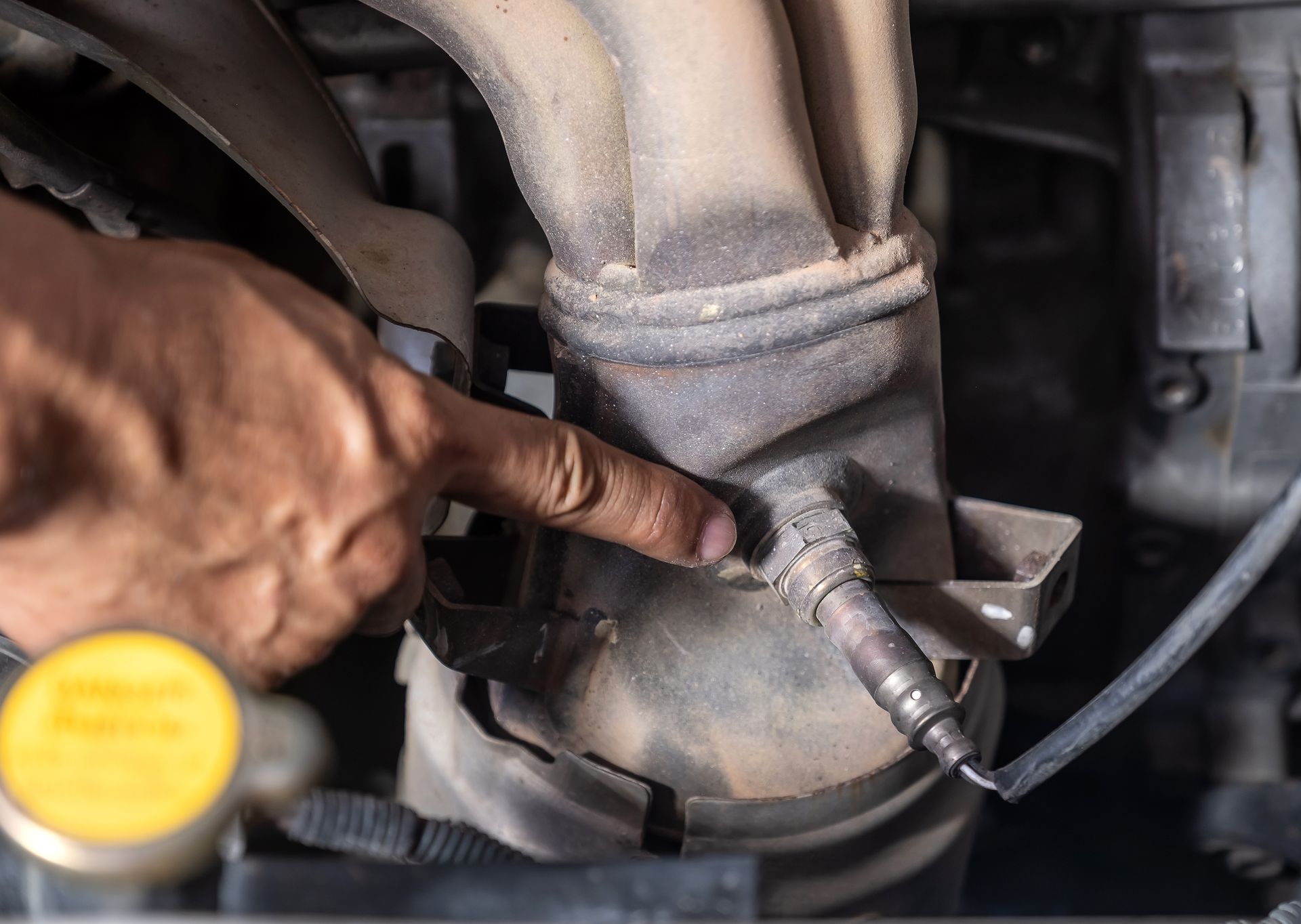
The catalytic converter is designed to clean up exhaust gases after combustion. It is not designed to handle raw fuel pouring into it. When a misfiring cylinder sends unburned fuel down the exhaust, the converter can get extremely hot.
Too much heat can melt or break down the converter’s internal structure. Once that happens, the vehicle may lose power, fail an emissions test, smell strange, or keep setting catalytic converter efficiency codes. In some cases, a damaged converter can become restricted, making the engine feel like it cannot breathe.
Common Causes Of A Flashing Check Engine Light
Spark plugs and ignition coils are two common causes, but they are not the only ones. A flashing light requires a proper diagnostic process, as several problems can cause the same warning.
Common causes include:
- Worn spark plugs
- Weak ignition coils
- Bad fuel injectors
- Vacuum leaks
- Low fuel pressure
- Compression problems
- Damaged wiring
- Sensor faults
- Timing issues
Some of these repairs are fairly direct. Others take more digging. The important thing is not to keep driving and hope the light stops blinking for good.
What You Should Do When The Light Starts Flashing
If the check engine light flashes, ease off the gas. Avoid hard acceleration, high speeds, and long drives. If the engine is shaking badly or the car feels unsafe, pull over to a safe spot and shut it off.
If the light flashes for a moment and then turns steady, the problem still needs attention. The computer may have stored misfire codes that can help point toward the affected cylinder. That information is useful, but it does not replace testing. A code can show where the misfire was detected, not always why it happened.
Why A Code Scan Is Not Enough
A quick scan might show a cylinder misfire code, but that is only a starting point. If cylinder three is misfiring, the cause could be the spark plug, coil, injector, wiring, compression, or even an air leak affecting that cylinder. Swapping parts without checking can waste money and leave the real problem untouched.
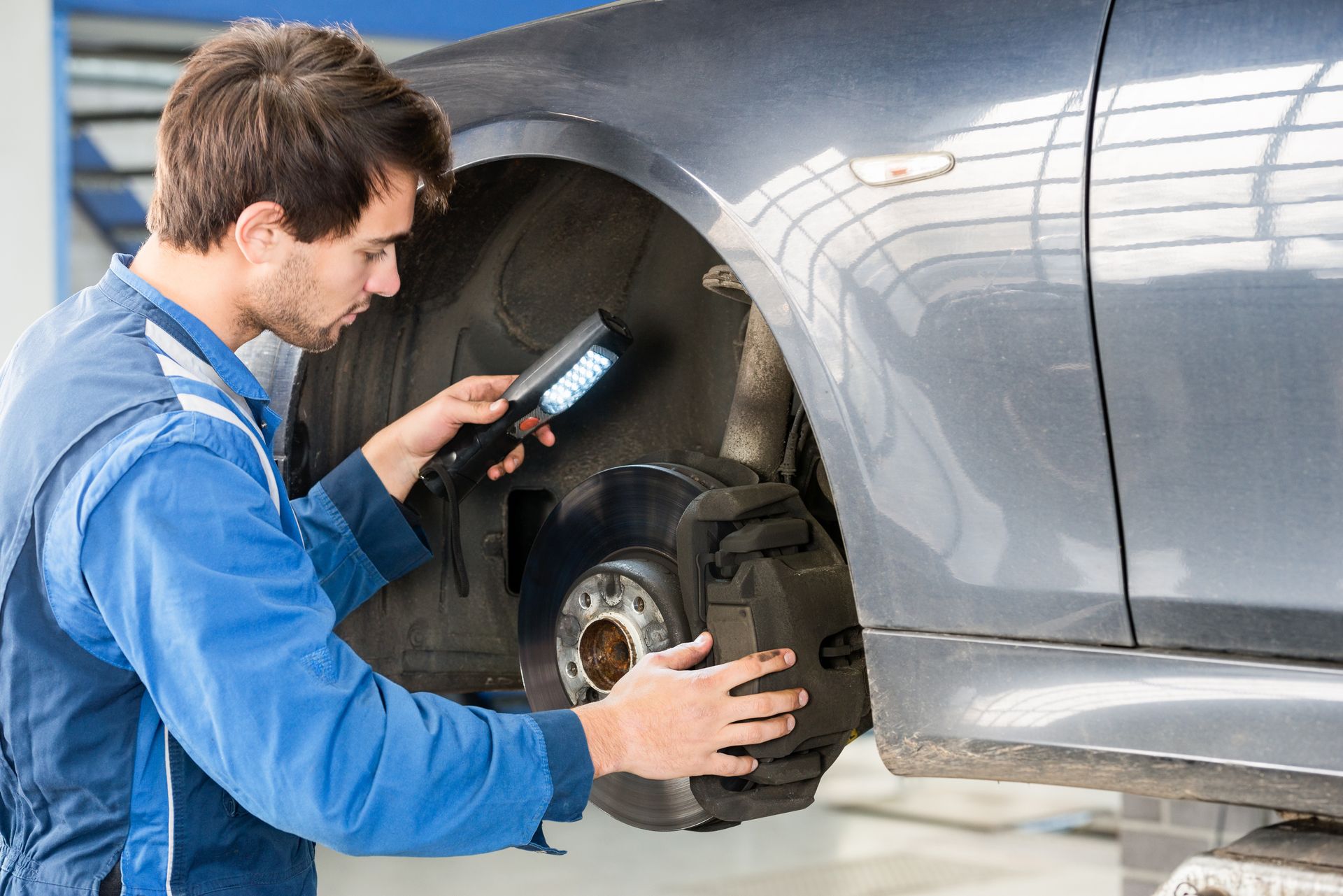
A proper inspection may include checking spark plug condition, testing ignition coils, reviewing fuel trim data, checking injector operation, looking for vacuum leaks, and measuring compression when needed. The goal is to stop the misfire before it damages the converter or comes back after a quick repair.
Small Misfires Can Become Bigger Repairs
A misfire does not always begin with a flashing light. Sometimes the engine feels a little rough for weeks before the warning gets serious. A driver may notice a small shake at idle, a brief hesitation, or lower fuel economy, then keep driving because the car still feels usable.
That is where regular maintenance matters. Spark plugs, filters, fluids, and basic engine checks help prevent some misfire problems from sneaking up. When the first symptom appears, early diagnosis can keep the repair smaller and protect the catalytic converter from excess heat and fuel exposure.
Get Check Engine Light Repair In Alpharetta, GA, With America's Service Station
If your check engine light is flashing, your engine is misfiring, or your car is shaking, hesitating, or losing power, America's Service Station in Alpharetta, GA, can test the engine and identify the cause before catalytic converter damage worsens.
For check engine light repair and misfire diagnostics, contact us to schedule an appointment.