If you've ever renewed your car's registration or purchased a vehicle, you're likely familiar with a smog check. But what does it entail, and why is it important? Smog checks are not merely an additional task on your to-do list. They are keeping the air we breathe clean.
The Purpose of a Smog Check
At its core, a smog check evaluates your vehicle’s emissions to ensure it isn’t releasing harmful pollutants into the atmosphere. Governments and environmental agencies enforce smog checks to reduce air pollution and improve public health. Vehicles, particularly older models or those with neglected maintenance, can be significant contributors to poor air quality.
So, the smog check serves as a safeguard, ensuring that your car complies with state or local emissions standards. It’s not just about avoiding a failed test—it’s about contributing to a cleaner, healthier environment.
Key Components Tested During a Smog Check
When your car undergoes a smog test, several areas are assessed to determine its compliance with emissions regulations. Let’s look at the main elements that technicians focus on:
1. Tailpipe Emissions
The tailpipe test is central to a smog check. Using specialized equipment, technicians measure the levels of pollutants like carbon monoxide (CO), hydrocarbons (HC), and nitrogen oxides (NOx) emitted from your exhaust. These substances can harm both the environment and human health, contributing to smog, respiratory problems, and climate change.
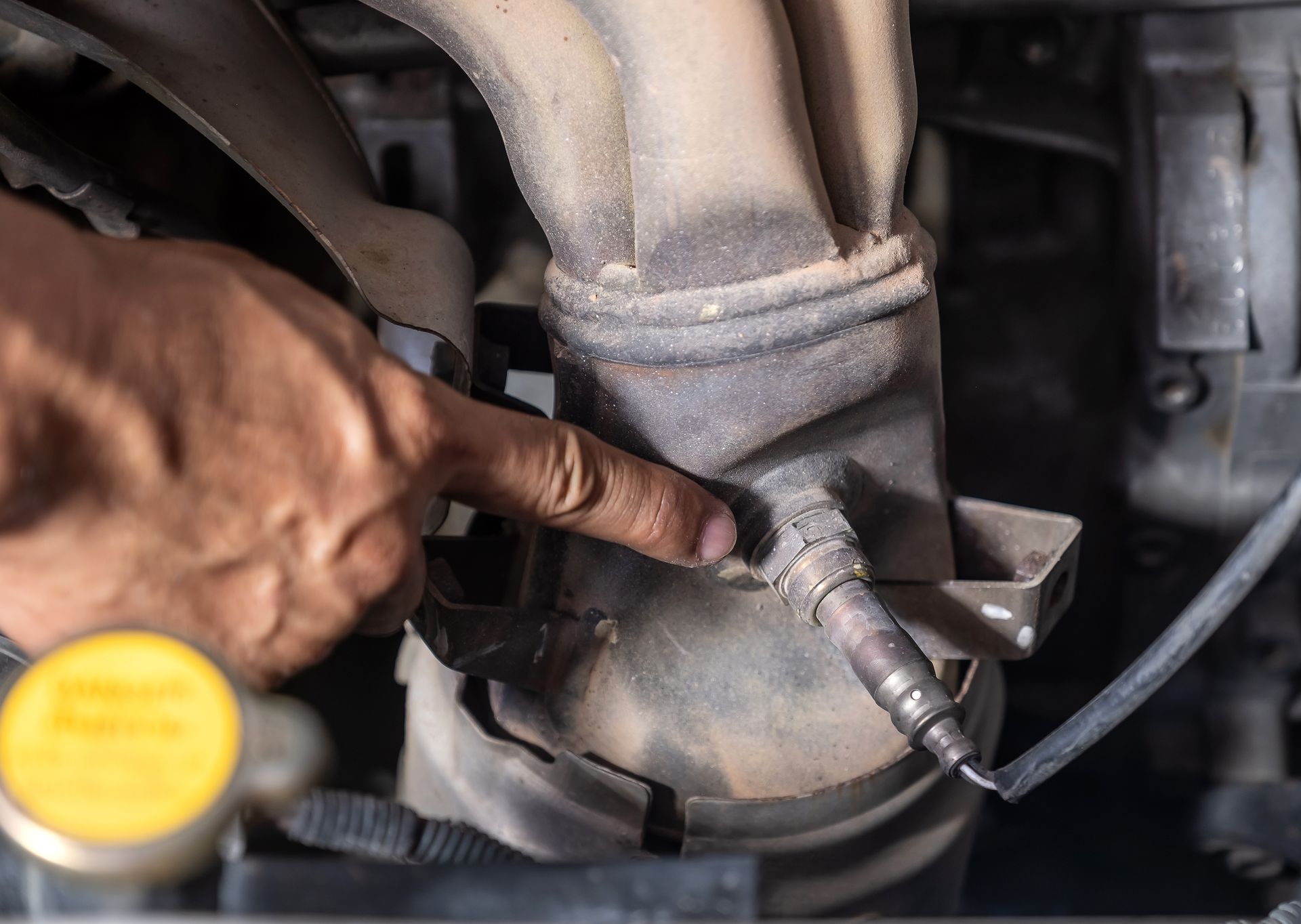
Cars with properly functioning exhaust systems and catalytic converters typically emit lower levels of these pollutants, helping them pass the test without issue.
2. Evaporative Emissions System
This system prevents fuel vapors from escaping into the atmosphere. The test ensures that the fuel cap seals properly and that other components, like hoses and valves, are intact. Even small leaks can cause your car to fail a smog check.
3. Onboard Diagnostics (OBD) System
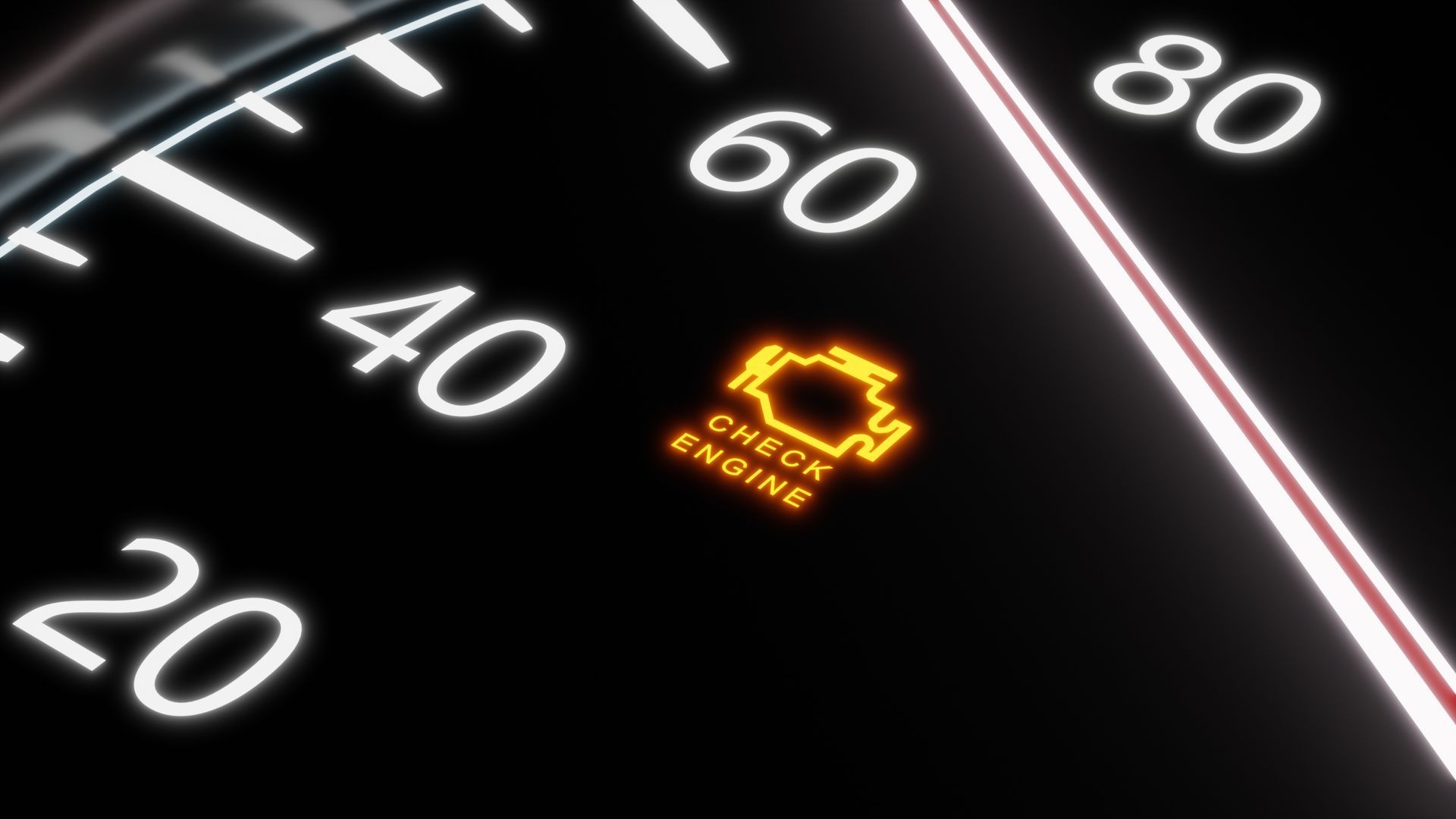
Modern cars are equipped with onboard diagnostics systems that monitor engine performance and emissions. During a smog check, technicians use a scanning tool to access the OBD system, which can reveal issues like faulty sensors or misfires. If the check engine light is on, it’s almost a guarantee that your vehicle won’t pass.
4. Visual Inspection of Emissions Components
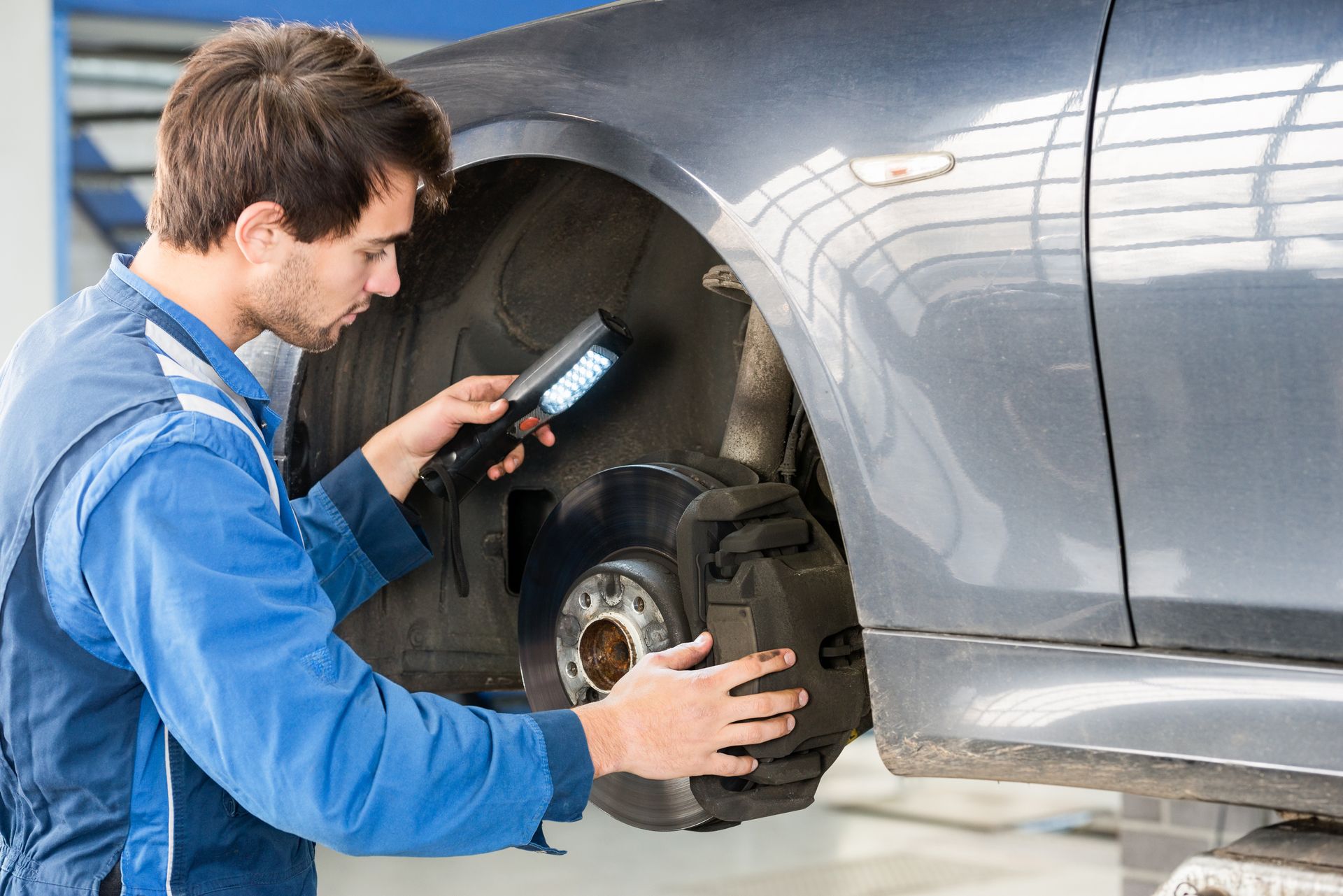
Technicians also perform a visual inspection to ensure key emissions-related components, like the catalytic converter and oxygen sensors, are present and functioning as intended. Missing or tampered parts can lead to an automatic failure.
Why Do Cars Fail Smog Checks
Nobody likes hearing that their car didn’t pass the test, but understanding the reasons can help you avoid this scenario. Common causes include:
- Worn-Out Catalytic Converters: This crucial component reduces harmful emissions. When it’s not working efficiently, your car may emit more pollutants than allowed.
- Dirty Air Filters: A clogged air filter can affect the air-to-fuel ratio, increasing emissions.
- Faulty Oxygen Sensors: These sensors help regulate the fuel mixture. If they malfunction, your engine might burn too much fuel, leading to higher emissions.
Preparing Your Car for a Smog Check
If you’re due for a smog test, a little preparation can go a long way in ensuring your vehicle passes. Start by addressing any warning lights on your dashboard. A check engine light is an automatic fail, so get the issue resolved beforehand.
Next, consider driving your car for 15-20 minutes before the test. This warms up the engine and ensures that the catalytic converter is operating efficiently. Regular maintenance, like oil changes and replacing air filters, also plays a key role in reducing emissions and keeping your car in top shape.
Is your smog test coming up? Let
America's Service Station help! We offer comprehensive inspections and maintenance services to ensure your car is ready to pass with flying colors. Schedule your appointment today!